Quick Overview
Here is the quick overview of getting air conditioner ready for summer:
- Prepare your air conditioner before summer season can prevent breakdowns and improve the overall efficiency AC.
- Replacing air filters regularly ensure good airflow.
- Clear debris from the outdoor condenser unit.
- Inspect the AC for warning signs such as warm air, weak airflow, or getting high energy bills.
- Hire air conditioner professional maintenance to grab problems as soon as possible.
- Repair small problems at your own before peak summer heat to avoid costly failures.
As temperatures rise, your air conditioner becomes one of the most important systems in your home. Unfortunately, many homeowners don’t think about their AC until the first heat wave hits, often discovering too late that it isn’t ready to keep up. Preparing your air conditioner for summer ahead of time can help prevent breakdowns, improve efficiency, and keep your home comfortable when it matters most.
Why Summer Preparation Matters for Air Conditioner?
During summer, air conditioners run longer and harder than at any other time of year. Increased heat and humidity place extra strain on components like compressors, coils, and motors. If an AC system already has minor issues, summer conditions can quickly turn them into major problems.
That’s why proactive preparation is key. Addressing potential issues before peak season reduces the risk of emergency repairs and helps your system perform more efficiently.
Start with the Basics: Airflow and Filters
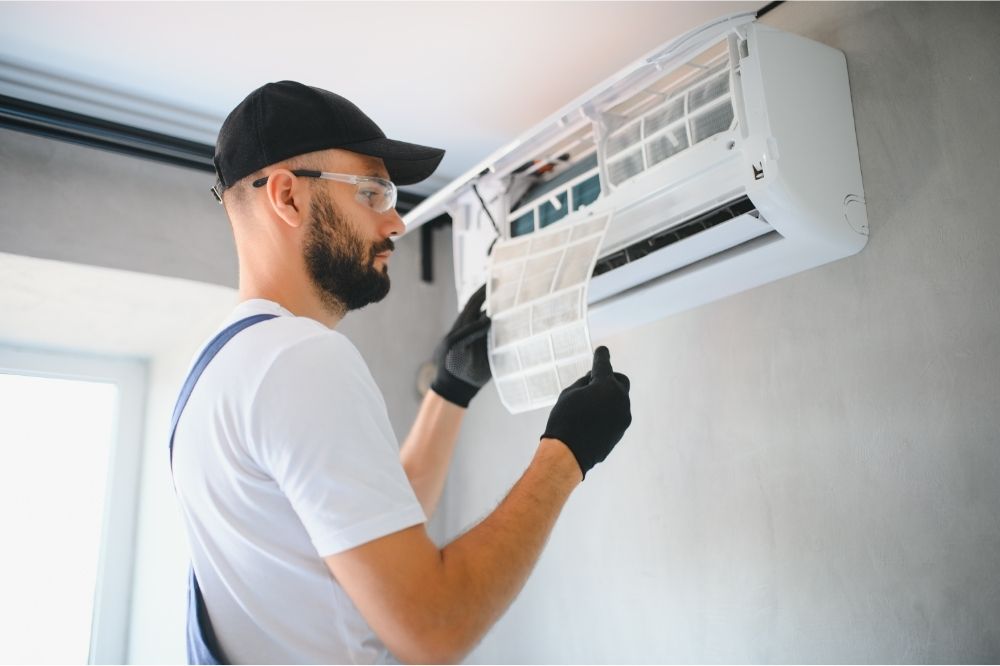
One of the simplest and most effective steps homeowners can take is to check the air filter. Dirty or clogged filters restrict airflow, forcing the system to work harder and increasing energy consumption. Filters should be checked monthly and replaced as needed, especially during heavy-use months.
Good airflow ensure vents aren’t blocked by any kind of furniture and ductwork isn’t leaking or damaged. Proper airflow helps your AC cool evenly and reduces wear on internal components.
Inspect the Outdoor AC Unit
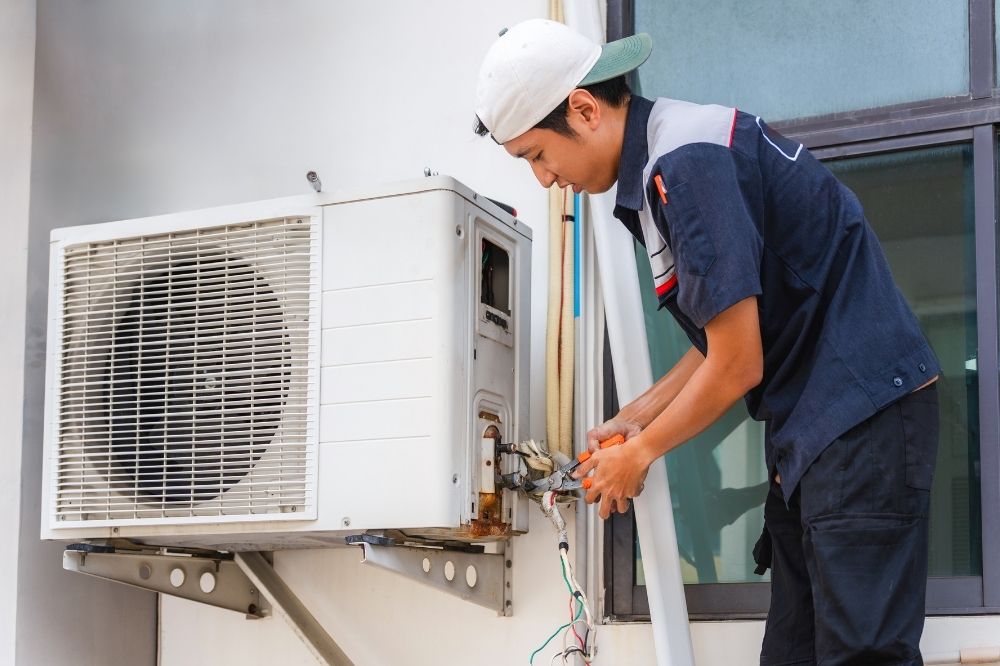
The outdoor condenser AC unit plays a critical role in releasing heat from your home. Over a period of time, debris like dirt, leaves, and grass clippings can build up around the outdoor unit, which can lead to restrict airflow. Clear the area and ensure adequate space around the unit so that it will improve efficiency and prevent overheating issue.
A visual inspection can also reveal obvious issues such as bent fins, loose panels, or signs of wear that may need professional attention.
Pay Attention to Performance Changes
Getting your AC ready for summer also means noticing how it’s behaving. Following warning signs that shouldn’t be ignored:
- Warm air coming from vents
- Inconsistent airflow
- Frequent cycling on and off
- Unusual noises coming during operation
- Increasing energy bills
These symptoms often indicate underlying problems that should be addressed before summer demand peaks. HVAC professionals, like those at Grove, often recommend dealing with performance issues early to avoid costly breakdowns during extreme heat.
The Role of a Professional in Air Conditioner Maintenance
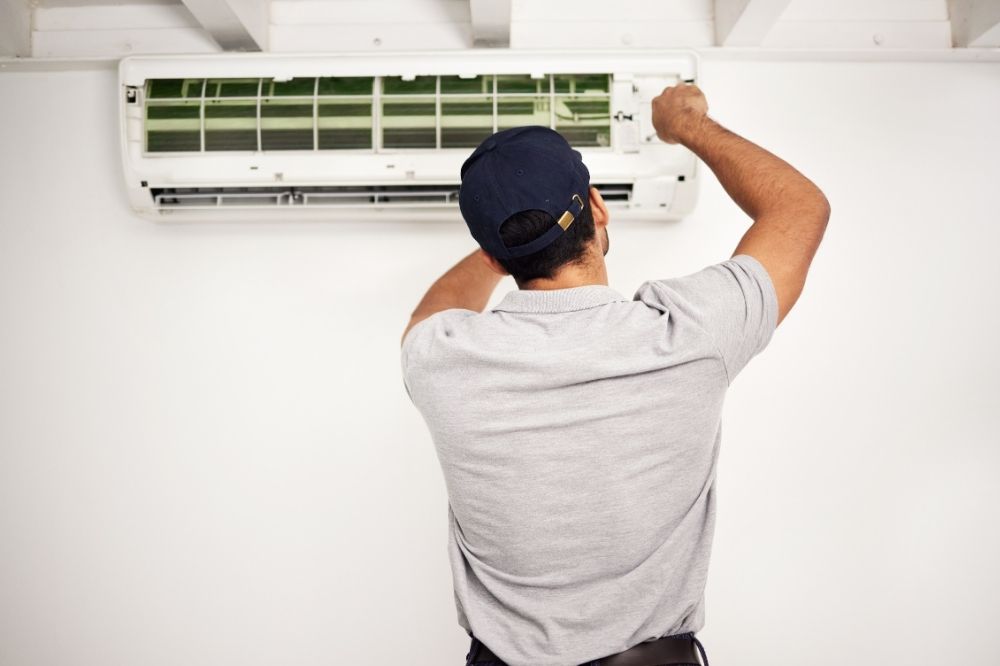
Professional AC maintenance plays a major role in summer readiness. A professional service includes cleaning coils, checking refrigerant levels, inspecting electrical components, and testing overall HVAC system performance.
Companies focus on identifying small problems before they become major repairs. Routine maintenance not only improves reliability but also extends the lifespan of the system and keeps energy costs under control.
Repair Issues Before They Escalate
If maintenance reveals worn or failing components, it’s best to schedule repairs before summer arrives. Delaying repairs can lead to complete system failure during the hottest days when HVAC companies are busiest and wait times are longest.
Handling repairs early gives homeowners peace of mind knowing their AC system is ready to handle sustained summer use.
A Smarter Way to Stay Cool
Getting air conditioner ready for summer isn’t just about comfort, it’s about efficiency, reliability, and protecting your investment. By checking airflow, monitoring performance, scheduling professional maintenance, and addressing repair needs early, homeowners can avoid surprises and enjoy a cooler, more comfortable home all season long.
Summer heat is inevitable. AC breakdowns don’t have to be.
Also Read: Stay Cool This Summer With 5 Must-Know AC Maintenance Tips
FAQs on Getting Air Conditioner Ready for Summer
1. How Often should You Change Filter of an Air Conditioner?
You need to inspect it monthly and replace if it is needed, especially during heavy-use in summer months.
2. When is the Best Time to Schedule AC Maintenance?
Ideally in spring, before peak summer temperatures arrive and HVAC companies become busy.
3. Is Professional Maintenance Really Necessary?
Yes. Professional tune-ups include cleaning coils, checking refrigerant levels, and inspecting components to prevent major issues.
Author & Expert Review
Written By:  Kinjal Mistry | Civil Engineer & Senior Content Writer
| Credentials: B.E. (Dharmsinh Desai University, Nadiad, Gujarat). Experience: Civil Engineer with 9 years of content writing experience, currently writing impactful articles for Gharpedia, part of SDCPL. Expertise: Specializes in writing well-researched content on home improvement, sustainability, building materials, home interior, DIY, and plumbing technology with everyday clarity. Find her on: LinkedIn |
Verified By Expert: Avni Desai Environmental Engineer, SDCPL | M.E. (Environmental Engineering)
This article has been reviewed for environmental, MEP, and building services accuracy by Avni Desai, an Environmental Engineer at Sthapati Designers & Consultants Pvt. Ltd. (SDCPL). With over 8 years of experience in water supply, wastewater management, infrastructure design, and building services, she brings practical expertise in MEP services, sustainable solutions, design planning, and on-site practices. Her professional services include planning and design of water supply systems, sewage and wastewater treatment systems (STP/WTP), drainage, rainwater harvesting, and other sustainable building services. Her review ensures the content aligns with environmental standards, efficient services planning, and real-world applicability.
Find her on: LinkedIn